STS Impact Windows & Doors
STS Impact Windows, Doors & Roofing is a veteran-owned company based in South Florida that specializes in premium hurricane protection solutions, including impact windows, doors, custom storefronts, and roofing. Combining over 25 years of industry experience with military precision, STS provides expert installation, full transparency, and outstanding customer service, backed by a leading 3-year installation warranty. Their comprehensive services ensure security and peace of mind for both residential and commercial clients, with a strong focus on quality, reliability, and efficiency.
View on Google MapsBusiness Hours
- Monday: 08:00 - 17:00
- Tuesday: 08:00 - 17:00
- Wednesday: 08:00 - 17:00
- Thursday: 08:00 - 17:00
- Friday: 08:00 - 17:00
- Saturday: Closed
- Sunday: Closed

STS Impact Windows and Doors is a business
STS Impact Windows and Doors is based in Boca Raton Florida
STS Impact Windows and Doors is located at 1000 Holland Dr Suite 10 Boca Raton FL 33487 United States
STS Impact Windows and Doors operates in the United States
STS Impact Windows and Doors is a veteran owned company
STS Impact Windows and Doors specializes in hurricane protection solutions
STS Impact Windows and Doors provides impact windows
STS Impact Windows and Doors provides impact doors
STS Impact Windows and Doors provides custom storefronts
STS Impact Windows and Doors provides roofing services
STS Impact Windows and Doors provides expert installation
STS Impact Windows and Doors provides full transparency
STS Impact Windows and Doors provides outstanding customer service
STS Impact Windows and Doors has over 25 years of industry experience
STS Impact Windows and Doors offers a 3 year installation warranty
STS Impact Windows and Doors serves residential clients
STS Impact Windows and Doors serves commercial clients
STS Impact Windows and Doors focuses on quality reliability and efficiency
STS Impact Windows and Doors has phone number 5616001018
STS Impact Windows and Doors has website https://stswindows.com/
STS Impact Windows and Doors has Google Business Profile https://maps.app.goo.gl/3G8xjFMpsJzufTpC6
STS Impact Windows and Doors has Facebook profile https://web.facebook.com/STSimpactwondowsanddoors/
STS Impact Windows and Doors has Instagram profile https://www.instagram.com/sts.impact.windows/
STS Impact Windows and Doors has logo https://stswindows.com/wp-content/uploads/2024/02/website-sts-doors-roofing-logo.png
STS Impact Windows and Doors has opening hours Monday to Friday 8am to 5pm
STS Impact Windows and Doors was awarded South Florida Veteran Owned Business Excellence Award
STS Impact Windows and Doors was awarded Best Hurricane Protection Provider 2023 Florida
STS Impact Windows and Doors was awarded Angis Super Service Award for Window Installation
People Also Ask about STS Impact Windows and Doors
What does STS Impact Windows and Doors do?
STS Impact Windows and Doors specializes in hurricane protection solutions, offering high-quality impact windows, storm-resistant doors, custom storefronts, and professional roofing services. With expert installation, full transparency, and outstanding customer service, the company ensures homes and businesses stay secure and energy-efficient.
Where is STS Impact Windows and Doors located?
STS Impact Windows and Doors is located at 1000 Holland Dr Suite 10, Boca Raton, FL 33487, United States. The company proudly serves residential and commercial clients across Florida and throughout the United States, delivering reliable storm protection solutions. View their location on Google Maps.
Is STS Impact Windows and Doors a veteran-owned business?
Yes, STS Impact Windows and Doors is a veteran-owned company recognized for its dedication, integrity, and service to the community. This background adds an extra level of trust and reliability for homeowners and businesses seeking storm protection solutions.
What services does STS Impact Windows and Doors provide?
STS Impact Windows and Doors provides a wide range of services including the installation of hurricane impact windows, impact doors, custom commercial storefronts, and roofing services. Each project is backed by expert craftsmanship, a 3-year installation warranty, and over 25 years of industry experience.
Who does STS Impact Windows and Doors serve?
The company proudly serves both residential homeowners and commercial property owners. From protecting family homes to fortifying businesses with hurricane-rated storefronts, STS Impact Windows and Doors delivers customized solutions that ensure safety, durability, and efficiency.
What are the benefits of choosing STS Impact Windows and Doors?
Clients benefit from the company’s focus on quality, reliability, and efficiency. Their impact-resistant windows and doors not only enhance security and hurricane protection but also improve energy efficiency, reduce noise, and increase property value. With a 3-year installation warranty, customers can trust in long-term performance and peace of mind.
What awards has STS Impact Windows and Doors won?
STS Impact Windows and Doors has been recognized with multiple industry honors, including the South Florida Veteran Owned Business Excellence Award, Best Hurricane Protection Provider 2023 Florida, and the Angi’s Super Service Award for Window Installation. These awards highlight their commitment to excellence, customer satisfaction, and industry leadership.
How can I contact STS Impact Windows and Doors?
You can reach STS Impact Windows and Doors by phone at 561-600-1018 or visit their website at stswindows.com. They are open Monday through Friday from 8am to 5pm and are available on Facebook and Instagram for updates and project showcases.
Business Name: STS Impact Windows & Doors
Address: 1000 Holland Dr #10, Boca Raton, FL 33487, United States
Phone: (561)-600-1018
Hurricane season shapes life along Florida's coasts. You feel it in the way neighbors track tropical waves, the pre-storm rush to stockpile, and the ritual of carrying ladders to install panels. After two decades defining, installing, and troubleshooting structure envelopes from Key Largo to Palm Beach, I have actually seen what holds up and what does not. When the goal is real protection with year-round convenience, Miami-Dade approved, energy‑efficient effect windows outshine shutters in ways that surpass storm day. They alter how a house feels in August, how peaceful your living room stays on a Saturday night, and how positive you are when a storm line spins up much faster than predicted.
This is a useful take a look at why numerous South Florida house owners are moving from shutters to typhoon impact-resistant windows, how to read the standards behind "Miami-Dade approved," what products matter, and how to get the setup right the first time.
What "Miami-Dade Approved" actually means
Miami-Dade County's Product Control Division sets one of the toughest criteria in the nation for constructing parts exposed to windborne particles. Approval is not a marketing sticker. It is earned through particular lab tests that replicate real typhoon conditions.
First comes large missile impact. A 9-pound 2x4 is contended the glass at roughly 34 miles per hour. That imitates roofing system tiles, branches, or pieces of fencing that fly in the eyewall. After the impact, the same unit deals with cyclic pressure loading, thousands of pressurization and depressurization cycles that simulate rapid wind gusts over hours. If the glass remains in the frame without letting the envelope breach, it passes. The difference in between "fulfills Florida building code windows" and "Miami-Dade approved windows" frequently lives in these test thresholds. Miami-Dade is just stiffer, especially in High Speed Hurricane Zone requirements, that include Miami-Dade and Broward.
Wind scores differ by opening size and style pressures, signified as PSF values. On ocean-facing homes or high-rises, I frequently specify systems rated at +60/ -80 PSF or higher. Inland or in more safeguarded exposures, ratings in the +45/ -60 PSF variety can suffice, but you size and specification based on the website's wind map, developing height, and surrounding structures. A professional understands that a corner direct exposure at the second story needs different support than a sheltered window under a deep porch.
Why impact windows alter the everyday experience, not just storm season
Hurricane shutters vs effect windows is not a one-to-one contrast. Shutters can fulfill code, and they're better than nothing. However they ask you to do work at the worst possible time. When a watch turns to a warning and the projection track tightens, the last thing you want is a ladder, a dead cordless drill, and a missing wing nut.
Impact windows reside in place. You get continuous defense, even if a pop-up storm surprises you while you're stuck on US 1. You also get benefits every day of the year.
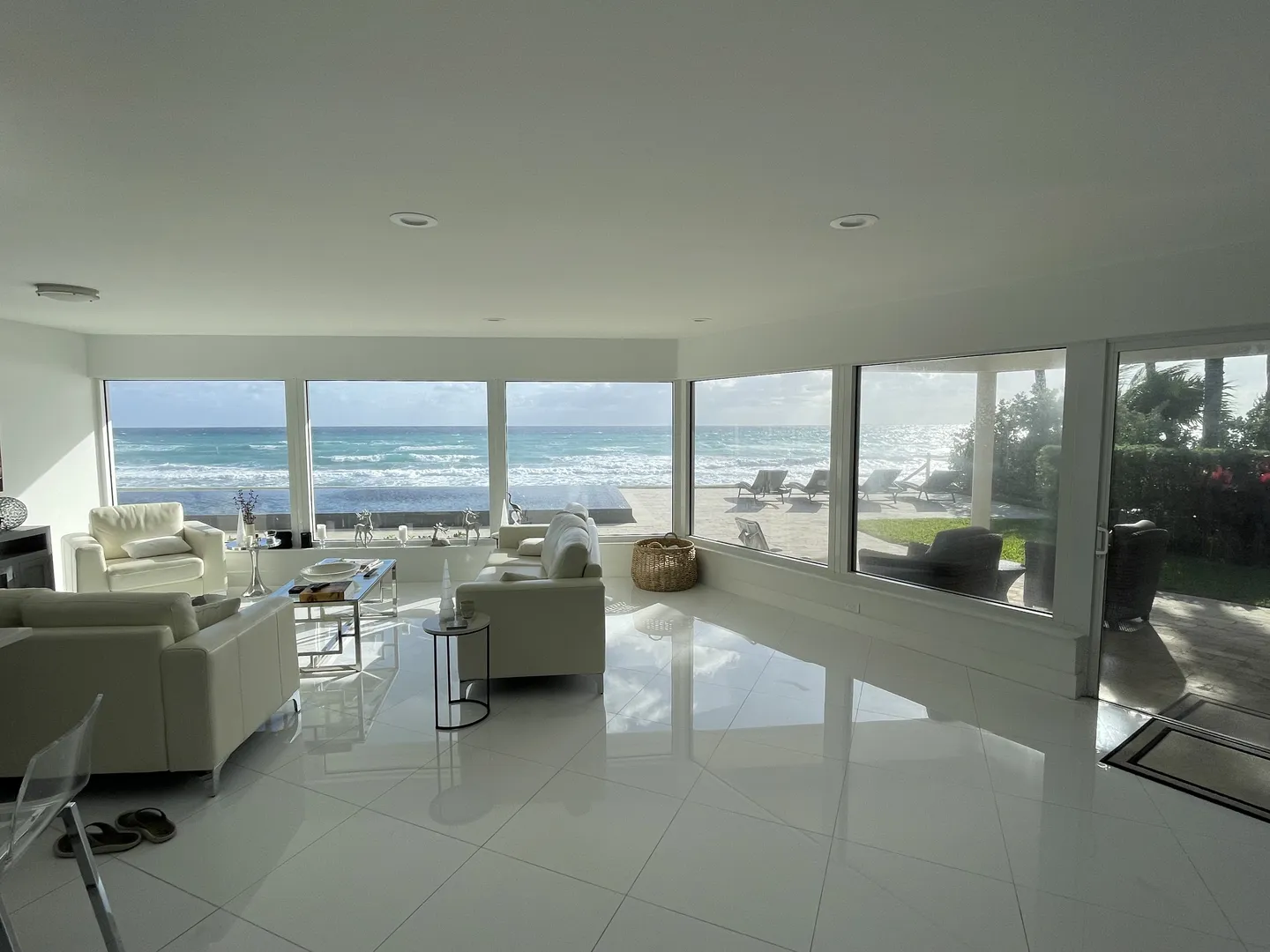
Noise control is the most underappreciated advantage. Laminated impact glass is essentially a sandwich: 2 panes of glass bonded by a durable interlayer, generally PVB interlayer glass or SentryGlas. That interlayer damps noise. On tasks along hectic corridors like Biscayne Boulevard or near flight courses, I've determined interior noise drops in the 5 to 10 decibel range, in some cases more when coupled with insulated glass units.
Security improves since laminated glass withstands forced entry. A robber can shatter the external lite with a hammer, but the interlayer holds the shards. They meet a sticky, persistent membrane instead of a fast course inside. Insurance coverage underwriters understand this, which is why policies typically provide credits for effect windows and doors. In my tasks, premiums typically drop 10 to 25 percent, depending on the provider and how many openings are protected.
Energy performance is the third pillar. Energy-efficient effect windows with contemporary low-E effect glass and warm-edge spacers can cut solar heat gain while preserving noticeable light. That implies less a/c need, specifically on west and south exposures where the afternoon sun penalizes interiors. In one Coral Gables retrofit, we replaced 1980s single-pane sliders with laminated low-E impact units. Summer afternoon peak load dropped by approximately a lots of cooling, and the home's annual electricity usage fell between 12 and 18 percent. Outcomes vary with shading, attic insulation, and a/c performance, but the direction is consistent.
Material choices that matter: glass, interlayers, and frames
Laminated impact glass is the heart of the system, however not all laminated products are equal.
Most domestic typhoon windows utilize a PVB interlayer glass stack, commonly 0.030 to 0.090 inches thick in single or several plies. Thicker interlayers improve effect resistance and sound control, but they include weight and expense. For oceanfront or tall openings, you may see SGP (ionoplast) interlayers, which are stiffer and more powerful than PVB, enabling thinner sections to accomplish higher design pressures. For noise-sensitive sites, acoustic PVB formulations tweak the polymer to much better absorb sound in the 1,000 to 3,000 Hz variety, where traffic and voices sit.
Tempered glass windows show up typically in conversations because tempered glass is more powerful in flexing than annealed glass. That's true, and tempered lites are typically utilized as the external or inner ply in an impact unit. But tempered alone is not impact-resistant in the hurricane sense. When it stops working, it takes off into small cubes and falls out of the frame, which leaves the opening vulnerable. The effect performance comes from laminated construction, not tempering by itself. Many systems use a tempered outer lite laminated to a hardened inner lite, or both tempered, but constantly bonded through a PVB or ionoplast interlayer.
Low-E finishings matter for comfort. A soft-coat low-E tuned for South Florida generally targets a solar heat gain coefficient in the 0.25 to 0.35 range while keeping visible light transmission around 50 percent or greater. Go too short on SHGC and the glass can look gray or green, especially in larger openings. The sweet spot depends on your façade orientation and shading. On east and west elevations, I often tighten up SHGC and accept a small tint to manage early morning and afternoon blasts. On north elevations, I lean toward greater visible transmittance for daylighting.
Frames are the other half of the story. Aluminum frames dominate here because they manage big openings and won't swell. Thermal breaks and enhanced glazing gaskets have actually narrowed the energy space with vinyl. Top quality vinyl impact frames, when strengthened effectively, can perform well for standard-sized openings and have better insulating worths, however I prevent them for very broad sliders or tall storefront-style windows in high-wind zones. Wood-clad units look beautiful in older Mediterranean Revival homes, but they require mindful upkeep and wise flashing. The Florida sun destroys inexpensive vinyl and chalks low-grade aluminum finishes quickly. Look for powder-coated finishes ranked for seaside exposure, and demand composed guarantee details in salt-air environments.
The hidden hero: installation that respects the load path
Window installation can make or break performance. A pricey unit installed like a handyman swap-out will not pass a storm's tension test. The load course is the crux. Effect forces have to travel from the glass through the frame, to the anchors, into the substrate, and after that into the structure's framing or masonry.
In concrete block building and construction, you desire stainless or hot-dipped galvanized anchors embedded into strong material. Hollow cells need to be grouted or you need to strike the bond beam. Tapcons in soft, unfilled block are a failure waiting to happen. In wood-framed houses, structural screws need to bite into strong trimmers, not just sheathing. Shimming and plumb alignment matter so the locks engage cleanly and the weatherstripping compresses evenly.
The sealant joint is not just visual. An appropriately sized backer rod and high-quality polyurethane or silyl-modified polymer sealant produce a durable, flexible seal that deals with thermal growth. Too little a bead and it tears under movement. Too huge and it remedies inadequately. On seaside tasks, I never ever pair dissimilar metals without a barrier, and I constantly specify corrosion-resistant fasteners. 10 years later on, you will see who took shortcuts.
Flashing is the other non-negotiable. Pan flashing at sills, self-adhered membranes at jambs and heads, and combination with the water-resistive barrier are important. If you count on sealant alone, water will discover its method. That wetness may disappoint up as a drip. It might rot a sill plate slowly, then betray itself as a buckling floor or a musty odor 2 hurricane seasons later.
Shutters in the real life, and where they still make sense
I have absolutely nothing versus properly designed shutters. Accordion shutters that are maintained and lubed, roll-down shutters with battery backups, and even removable panels stored thoroughly can secure homes efficiently. They also assist in particular cases.
Second homes or seasonal rentals where spending plan is tight sometimes lean on shutters to meet the Florida building regulations windows requirement for protected openings. On specialized openings like a lanai that is hardly ever utilized in summer, a tidy motorized roll-down can be affordable, particularly if pairing with impact doors and windows in other places stresses the spending plan. For homeowners who prepare to move within a year, shutters can be a brief bridge to compliance before a sale.
But shutters bring trade-offs. They darken your house when released, and they require action at precisely the time you are juggling insurance coverage papers, gas cans, and family logistics. During Hurricane Irma, I watched a neighbor attempt to mount steel panels hours before landfall. The ladder sank in saturated soil, a panel slipped, and we invested the next hour in the immediate care waiting space. He endured with stitches. His living room window did not. Shutters also rattle and can vibrate under continual winds, sometimes loosening fasteners with time if not maintained.
For long-term owners who want to set it and forget it, impact windows provide hurricane evidence windows protection while protecting daylight and view. The benefit grows valuable once you've experienced one storm season with absolutely no preparation beyond locking the sash.
The energy story: how glass specs translate to comfort and bills
South Florida homes combat two fights: hidden load from humidity and reasonable load from direct solar heat gain. Effect glass upgrades can help both if defined intelligently.
Low-E impact glass uses microscopically thin metallic layers to reflect infrared energy while letting noticeable light through. With the ideal coating stacks, you can obstruct a big part of radiant heat and UV. UV obstruction in laminated units comes largely from the interlayer itself, which generally filters 95 to 99 percent of UV, lowering fading of materials and flooring. Add the low-E, and you suppress the solar heat that drives your a/c insane midafternoon.
I evaluate glass specifications with three numbers: U-factor, SHGC, and VT. While U-factor matters more up north, it still assists here by reducing nighttime heat circulation and keeping the interior glass temperature closer to space temperature, which lowers condensation danger. SHGC drives just how much solar heat enters. VT affects how brilliant the interior feels. Balance is essential. Some homeowners desire the crisp, clear look of greater VT, even if it implies accepting a few degrees more heat in late afternoon, because their landscaping and roofing overhangs already do some shading. Others choose a stronger tint for glare control on waterfront lots that reflect severe light.
In practical terms, going from clear single-pane sliders to modern low-E laminated double-glazed systems can lower peak solar gains by 30 to 50 percent on the most exposed sides. Couple that with tuned overhangs, light-colored exterior surfaces, and an appropriately sized variable-speed HVAC, and you begin to build resilience. If the grid decreases and you change to a generator, a lower cooling load implies a smaller sized generator and less gallons of fuel.
Reading labels and approvals without getting lost in alphabet soup
Miami-Dade Notice of Acceptance, or NOA, is the document you request for. It details the approved setups, sizes, anchors, and pressures checked. It is not enough to hear "these are Miami-Dade authorized windows" in a showroom. Verify the NOA matches the exact design and choices you are purchasing, consisting of the glazing makeup and hardware. If you remain in Broward or Miami-Dade, your permitting office will desire this paper trail.
Statewide, the Florida Item Approval system offers FL numbers that reveal code compliance. In the rest of the state outside the High Velocity Typhoon Zone, Florida building regulations windows can depend on Florida Item Approval without Miami-Dade specific NOAs. Many leading producers bring both. Where budgets allow, I choose NOA items even outside the zone due to the fact that the screening is stiffer.
NFRC labels handle energy metrics. They will not inform you impact performance, but they show U-factor, SHGC, VT, and air leak. Aim for air leakage at or listed below 0.3 cfm/ft TWO. Tighter is much better for humidity control, but make sure your home still has balanced ventilation. Sealing the envelope and disregarding fresh air is a recipe for indoor air quality complaints.
Dollars and sense: what to anticipate on cost, cost savings, and resale
Impact windows cost more upfront than shutters. There's no spin around that. Set up costs differ with size, shape, surface, and access. On uncomplicated single-family homes, per-opening costs typically land in between 1,200 and 3,000 dollars for basic sizes. Large multi-panel sliders, custom arches, and coastal-grade finishes raise the numbers quickly.
Where you recoup value:
- Insurance credits accumulate, often 10 to 25 percent off premiums when all openings are protected. Energy cost savings, typically 8 to 20 percent on yearly cooling costs in older homes after a full window upgrade paired with sealing and attic improvements. Resale appeal, specifically in markets where purchasers expect impact doors and windows as a standard. A home with accordion shutters contends, however a home with storm impact windows reveals much better, feels quieter, and normally assesses stronger.
If you plan to own the home for five years or more, the math frequently tilts in favor of impact windows, especially when you factor the intangible of peace of mind. If you prepare to offer within a year and need to reveal compliance quickly, shutters might https://charliethoe555.iamarrows.com/hurricane-proof-comfort-selecting-miami-dade-approved-energy-efficient-impact-windows-over-shutters make more short-term sense. Context matters.
Details that separate good systems from terrific ones
I take note of hardware and devices. Multi-point locks on sashes and awnings improve seal compression and security. For sliders, robust tandem rollers in stainless housings move smoother and last longer on sandy outdoor patios. Look at the sill design on moving doors. Weep systems should be crafted to drain pipes heavy rainfall without letting wind-driven water blow back in. Ask to see a cutaway sample in the showroom.
Tint colors and reflectivity are more than style. Reflective movies can run afoul of neighborhood associations or produce mirror-like glare towards neighboring residential or commercial properties. In coastal communities, extremely reflective glass can puzzle birds or sea turtles in some jurisdictions. Regional pros understand which finishings balance performance with compliance.
Color stability is a big offer. Dark bronze or black frames look great on contemporary homes, but in Florida sun inexpensive surfaces chalk and fade. AAMA 2605-rated finishings offer the best color retention and chalk resistance. I define them for coastal exposures whenever spending plans allow.
Special cases: historical homes, condos, and difficult openings
Historic districts frequently need profiles that simulate old wood sash sightlines. There are impact-rated windows that fit these requirements, but lead times extend and costs climb. Anticipate additional evaluation by architectural boards, and line up a specialist knowledgeable about these submissions.
Condos have another layer of governance. Associations often define a narrow list of authorized items for uniformity. They likewise care about noise control between systems. If your structure sits directly on Collins Avenue or deals with a busy beach boardwalk, push for acoustic laminated options. Work with structure management on staging and lift gain access to. Weekend work windows and minimal parking can add days and dollars.
Large openings, like a 16-foot-wide slider, require unique attention in style pressure, deflection, and operating hardware. Not every system that looks durable in a display room satisfies the wind loads on a ninth-floor veranda. Do not rely on brochure optimum sizes. Use the NOA tables that represent your site's zone, favorable and negative pressures, and mullion mixes if any.
What a tidy task looks like from survey to final inspection
The finest projects start with a measured study and exposure analysis. You map each opening, note the substrate, and recognize any framing abnormalities or settlement cracks. Throughout proposition, the professional reveals you the NOA and the Florida Product Approval, lists anchor types, and explains how each opening will be flashed and sealed. They plan for stucco or drywall repairs, not pretend no damage will occur.
On install day, they eliminate one opening at a time to keep the house secure. They secure floorings, draw back window treatments, and cap sprinklers. Old frames come out with care to preserve interior surfaces. New systems get dry-fit, shimmed, and anchored per the schedule. The team checks squareness and diagonals before setting sealant. They picture anchors for the authorization file, specifically if they will be hidden. After glazing, they water-test with a controlled spray to verify drainage paths and seals. The inspector sees a neat jobsite, clear labels, and documentation in order.
Six months later on, your windows still close with two fingers, locks bite smoothly, and there is no mystery rattle throughout thunderstorms. You did not have to require a roller adjustment after the first week. That is the standard.
Frequently misunderstood points that cost property owners later
Impact rating does not equivalent breakproof. Laminated glass can break under severe effects, however it must remain in the frame and hold together. After a storm that sends out debris into the glass, you may see star cracks or spidering. The window did its job. Replace the sash or IGU after the event.
Window movies do not convert non-impact windows into typhoon impact-resistant windows. They can include shatter resistance, but they do not substitute for a checked, anchored system. Your insurance provider and building department will not count movies as secured openings.
Interior humidity matters. Tight, energy-efficient effect windows lower air leak. That's great, however it increases the significance of a properly sized a/c with great dehumidification. If your system is oversized, the thermostat pleases rapidly and fails to pull enough moisture from the air. Ask your a/c pro to examine reasonable heat ratio, air flow, and run time. You desire steady, longer cycles, not brief bursts.
Maintenance is simple however not optional. Clean weep holes on sliders, wash salt spray from frames, and lube hardware every year with a silicone-based item that will not gum up in heat. Small routines extend lifespan.
When shutters still belong in the conversation
There are legitimate factors to mix services. A set of hardly ever utilized garage windows can keep removable panels to shave budget. A deep-set deck with minimal sun direct exposure might do great with accordion shutters if you prioritize other upgrades like a new roofing system deck accessory or a fortified garage door. Shutters can likewise safeguard outdoor kitchens or cabana openings where grease and smoke would age expensive hardware prematurely.
If you pick shutters, purchase quality. Stainless fasteners, smooth tracks, and motors with manual bypasses for roll-downs make a difference. Appoint obligation for implementation and practice when outside of a storm watch. Inventory your hardware. The day you require 32 wing nuts is not the early morning you want to discover you have 29.
The bottom line: assurance you can feel on a peaceful Tuesday
Impact windows are not only about making it through the huge one. They improve daily living. The living room stays cooler and quieter. The air conditioner cycles calmly rather of racing at 4 p.m. You sleep without freight trains of wind noise when a squall line passes at 2 a.m. When a cyclone threatens, your preparation list gets shorter. You lock the sashes, set storm mode on the alarm, and concentrate on people rather than panels.
For a number of my clients, that intangible is the deciding element. They understand storms will come. They also understand life in South Florida is too excellent to live inside a fortress that just wakes up in August. Miami-Dade approved windows offer you both: a clear view of Biscayne Bay on a breezy February early morning and peaceful self-confidence when the spaghetti designs point our way in September.

If you are weighing the choice, start with a site-specific assessment. Match your exposures to develop pressures, pick the ideal laminated glass stack for wind and heat, select frames that fit the architecture and conditions, and employ a crew that respects the load path. Done right, energy‑efficient impact windows provide what shutters can not: protection that never ever requests a ladder and a much better home every day of the year.